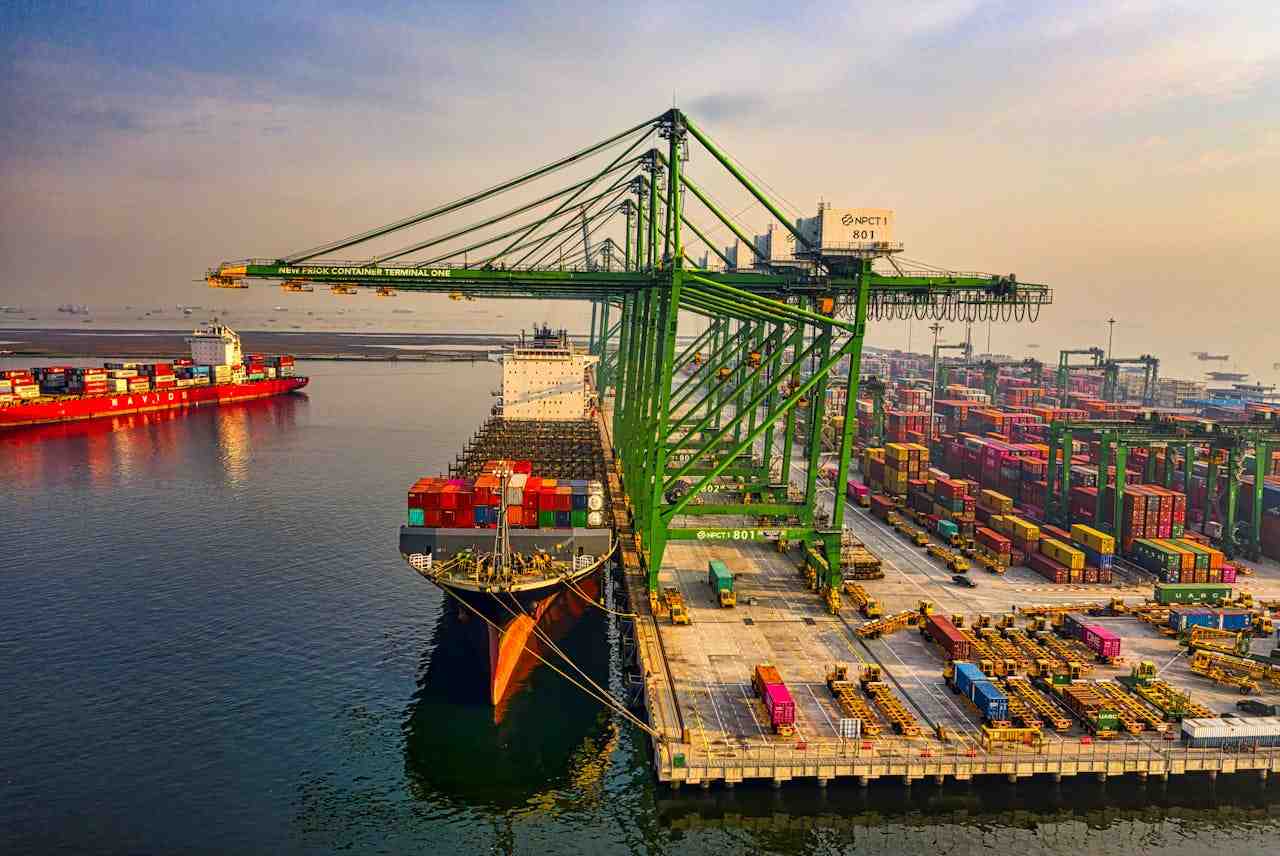
- Importers Pay the Tariff – Tariffs are taxes imposed on imported goods, and the company or entity bringing those goods into the country (importer) is responsible for paying them at the border.
- Cost Passed to Consumers – Importers often raise prices on the taxed goods to offset the additional cost, meaning consumers ultimately pay for the tariff through higher prices or lower quality products.
- Impact on Businesses – If businesses can’t fully pass the cost to consumers (due to competition or demand elasticity), they may absorb some of the tariff, reducing profits or cutting costs elsewhere, such as product quality, wages or jobs.
- Foreign Producers Indirectly Affected – While foreign manufacturers don’t directly pay tariffs, they may be forced to lower prices or reduce product quality to keep their products competitive in the tariff-imposing country. This reduces their profit margins.
- Government Revenue – The money collected from tariffs goes to the government of the country imposing them, making it a source of revenue. However, they typically lead to retaliation from other countries, hurting exports.
- Trade Wars and Retaliation – When one country imposes tariffs, other countries typically respond with their own tariffs, leading to increased costs for businesses and consumers on both sides.
- Economic Consequences – Tariffs can lead to reduced trade, higher consumer prices, lower quality, disrupted supply chains, and economic inefficiencies, potentially harming the overall economy.
- Case Example: U.S.-China Tariffs – When the U.S. imposed tariffs on Chinese goods, American companies importing those goods paid the tax, typically passing costs to consumers. Some businesses sought alternatives, but switching suppliers can be costly and time-consuming.
- Tariff Purpose – Governments use tariffs to protect domestic industries, encourage local production, or as leverage in trade negotiations. However, they can also backfire by making essential goods more expensive or a lower quality.
- Bottom Line – While importers technically pay the tariff upfront, the costs are usually shared between consumers (higher prices, lower quality), businesses (lower profits), and sometimes foreign producers (lower prices to stay competitive).