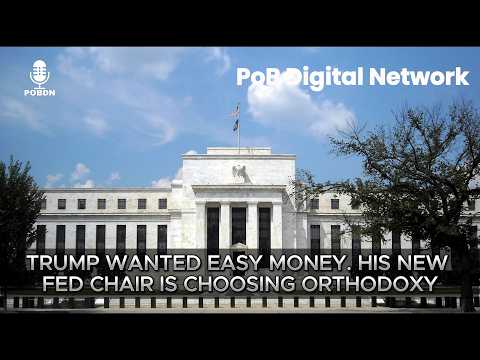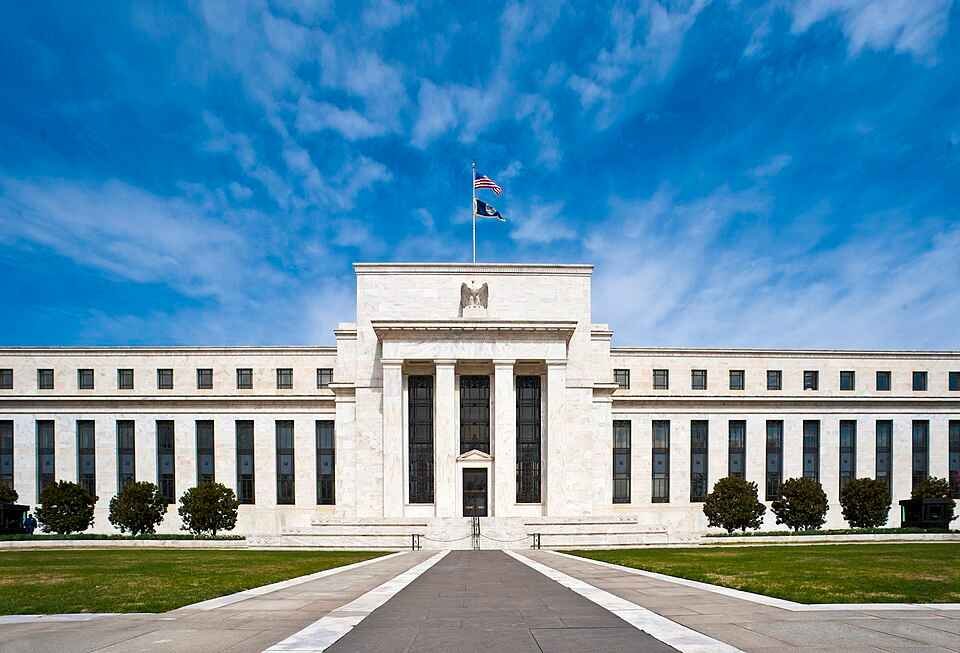
Federal Reserve Chair Kevin Warsh is demonstrating a far more orthodox approach to monetary policy than early political calculations anticipated. Despite initial assumptions of close alignment with White House calls for aggressive rate cuts, recent central bank actions reveal a strategy grounded firmly in institutional tradition and strict mandate enforcement.
Key developments defining this institutional shift include:
- The Expectation vs. Reality Dynamic: Initial political backing focused on securing lower benchmark interest rates. However, the decision by the Federal Open Market Committee to hold rates steady at 3.50% to 3.75% highlights an operational divergence from executive preferences.
- Prioritizing Mandate over Political Pressure: Rising energy costs and persistent price pressures have led central bank leadership to focus strictly on the statutory 2% inflation target. Policy messaging reinforces that price stability takes precedence over external political timing.
- Reasserting Central Bank Independence: Policy communication has shifted significantly toward institutional restraint. By paring back explicit forward guidance, leadership is signaling that market mechanisms—rather than central bank forecasting—should drive interest rate adjustments.
- Managing Board Dynamics: Internal committee votes reflect a conservative consensus. Navigating three dissents favoring immediate rate hikes required maintaining a firm institutional line to preserve board balance.
- Stabilizing Market Expectations: Financial markets have digested the orthodox posture by adjusting yields in real time to incoming economic data. Bond markets view the institutional stance as a stabilizing force, anchoring long-term credibility even as fiscal authorities push for looser credit conditions.
The current trajectory underlines a clear structural reality: regardless of appointment dynamics, macroeconomic data and institutional precedents continue to dictate monetary policy.