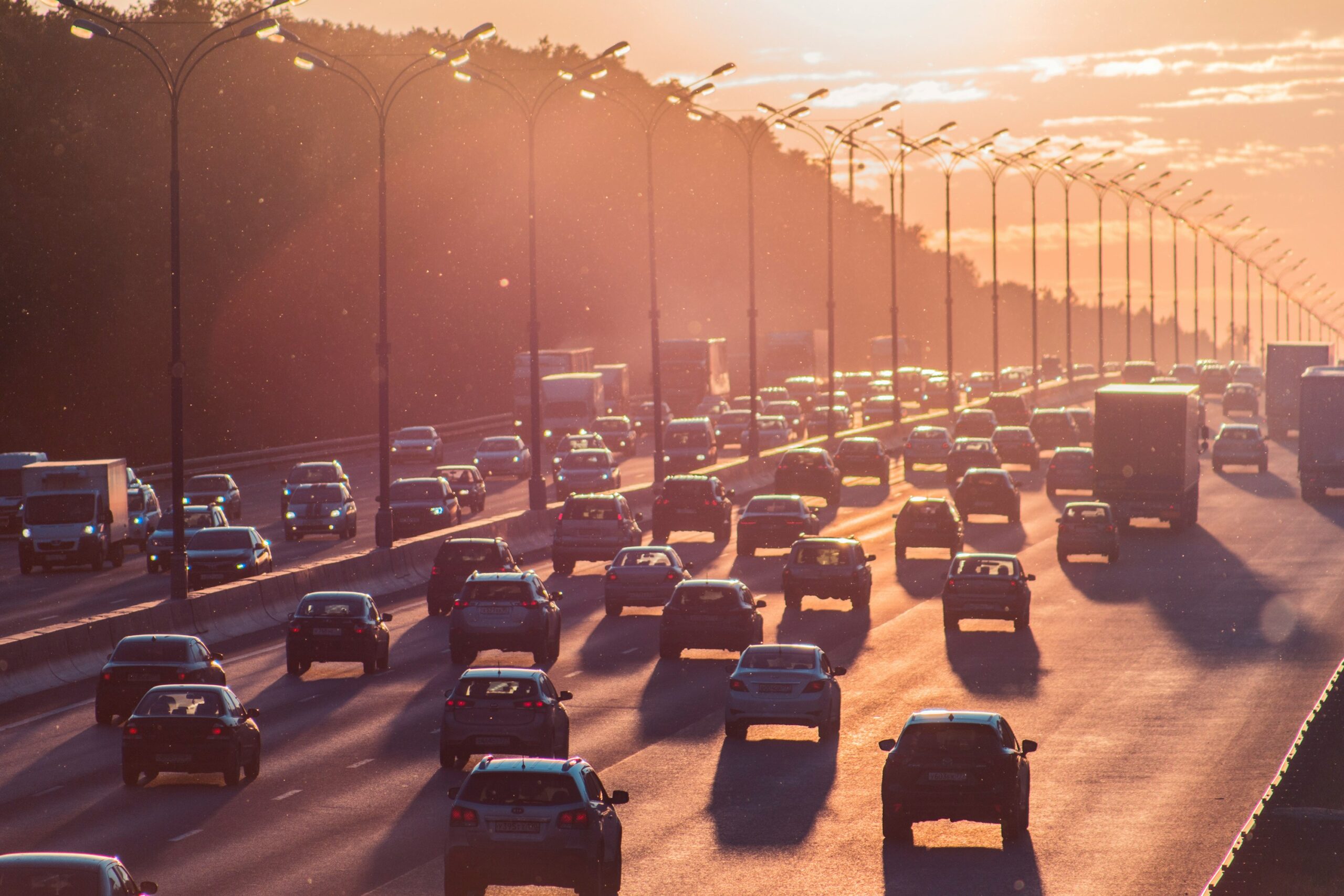
As millions of Americans prepare for summer vacations, weekend getaways, and July 4th road trips, many drivers will spend hours navigating crowded highways, construction zones, and rising fuel costs. While traffic may be unavoidable, the frustration that often comes with it doesn’t have to be.
Randy Keith—a Florida-based traffic expert, former Los Angeles airborne traffic reporter, private pilot, and host of the Mastering the Commute podcast—has spent more than two decades studying traffic patterns from both the ground and the air. Throughout his career, he has observed how the same driving habits repeatedly contribute to congestion, wasted fuel, and unnecessary stress.
The inspiration for many of these principles began while Keith was reporting traffic from the air over Southern California more than 25 years ago. Watching traffic develop in real time—and seeing maps change from green to yellow to red while observing the actual conditions below—gave him a unique perspective on how traffic forms, why congestion spreads, and how individual driving behaviors affect the larger transportation system.
According to Keith, many drivers focus on factors they cannot control—other drivers, accidents, weather, and road construction—while overlooking simple habits that can improve both fuel economy and their overall driving experience.
“Most people think smart driving is about getting there faster,” Keith says. “In reality, it’s about arriving calmer, safer, and with fewer surprises. The irony is that when you drive smarter, you often get there just as quickly. Defensive driving is important, but understanding how traffic works can be just as valuable.”
10 Ways to Drive Smarter
1.Slow Down:Efficiency drops above 65 mph.
Many drivers underestimate how much fuel consumption increases at higher speeds. While every vehicle is different, fuel economy often begins to decline significantly above standard highway speeds. Driving 75 or 80 mph instead of 65 mph may save only a few minutes but significantly increases fuel consumption and driver stress.
2.Avoid Aggressive Acceleration:Smooth is fast.
Rapid acceleration burns fuel and creates unnecessary wear on your vehicle. Smooth, gradual acceleration improves fuel economy and helps create a more predictable driving environment. Additionally, smooth transitions help reduce the “traffic waves” that contribute to heavy congestion.
3.Leave More Space:The 4-to-6-second rule.
Tailgating forces you to brake more often and react to every small speed change. Maintaining a larger following distance—the four-to-six-second rule—allows you to use the gas pedal more and the brake pedal less. “Always have a buffer around your vehicle,” Keith says. “That extra space gives you more options and time to react.”
4.Anticipate, Don’t Just React:Look beyond the bumper.
Don’t just focus on the vehicle directly in front of you. Looking farther ahead allows you to spot brake lights, lane closures, and congestion before they become immediate problems. Professional pilots and traffic reporters rely on this: seeing problems early creates smoother decisions later.
5.Prevent Phantom Traffic Jams:Stop the ripple effect.
Many backups occur without accidents or construction. These “phantom” jams happen when one driver brakes suddenly, causing a ripple effect that travels backward for miles. By maintaining space and driving smoothly, you help eliminate the conditions that create these slowdowns.
6.Check Tire Pressure Regularly:Reduce rolling resistance.
Underinflated tires cause your vehicle to use more fuel. Check your pressure at least monthly and before long road trips. Properly inflated tires improve fuel economy, extend tire life, and enhance vehicle handling.
7.Plan with GPS and Apps:Use tech as a tool.
Before leaving, check for crashes or road closures. Keith recommends using GPS as a planning tool rather than blindly following every instruction: “Technology keeps you informed, but you must stay aware of what’s happening around you.”
8.Combine Your Trips:Cold starts burn more fuel.
Multiple short trips from a cold start consume more fuel than one longer, planned route. Running errands in a logical sequence reduces overall driving time and vehicle wear.
9.Remove Unnecessary Weight:Lighten the load.
Extra cargo means your engine works harder. Consider removing items you don’t need before a long trip. Remember that roof-mounted cargo boxes also increase aerodynamic drag and reduce fuel economy.
10.Give Yourself More Time:The best stress reducer.
The most effective strategy costs nothing: leave earlier. Many risky behaviors—speeding, tailgating, and aggressive lane changes—stem from feeling rushed. Leaving early creates flexibility for when traffic inevitably changes.
The Bigger Picture
The greatest benefit of these principles isn’t just improved fuel economy; it’s helping drivers experience less stress and make safer decisions. This is especially vital during busy summer travel periods, when holiday weekends often see a spike in aggressive driving and accidents.
“As drivers, we’re all connected,” Keith says. “The choices we make behind the wheel affect everyone around us. When we drive more smoothly and more thoughtfully, we don’t just save fuel—we help create better traffic flow for everybody.”
Looking Ahead
Keith’s next goal is to expand the Mastering the Commute platform through videos and educational content. “I want to build a community of drivers who understand how their decisions affect everyone around them.”
For more driving tips and traffic insights, listeners can find Mastering the Commute on major podcast platforms and learn more at DriveSmarterNow.com.
Author Bio:
Randy Keith is a traffic educator, former Los Angeles airborne traffic reporter, private pilot, and host of the Mastering the Commute podcast. Drawing on more than 25 years of studying traffic patterns and driver behavior, he helps commuters reduce stress, improve safety, and better understand how traffic really works.