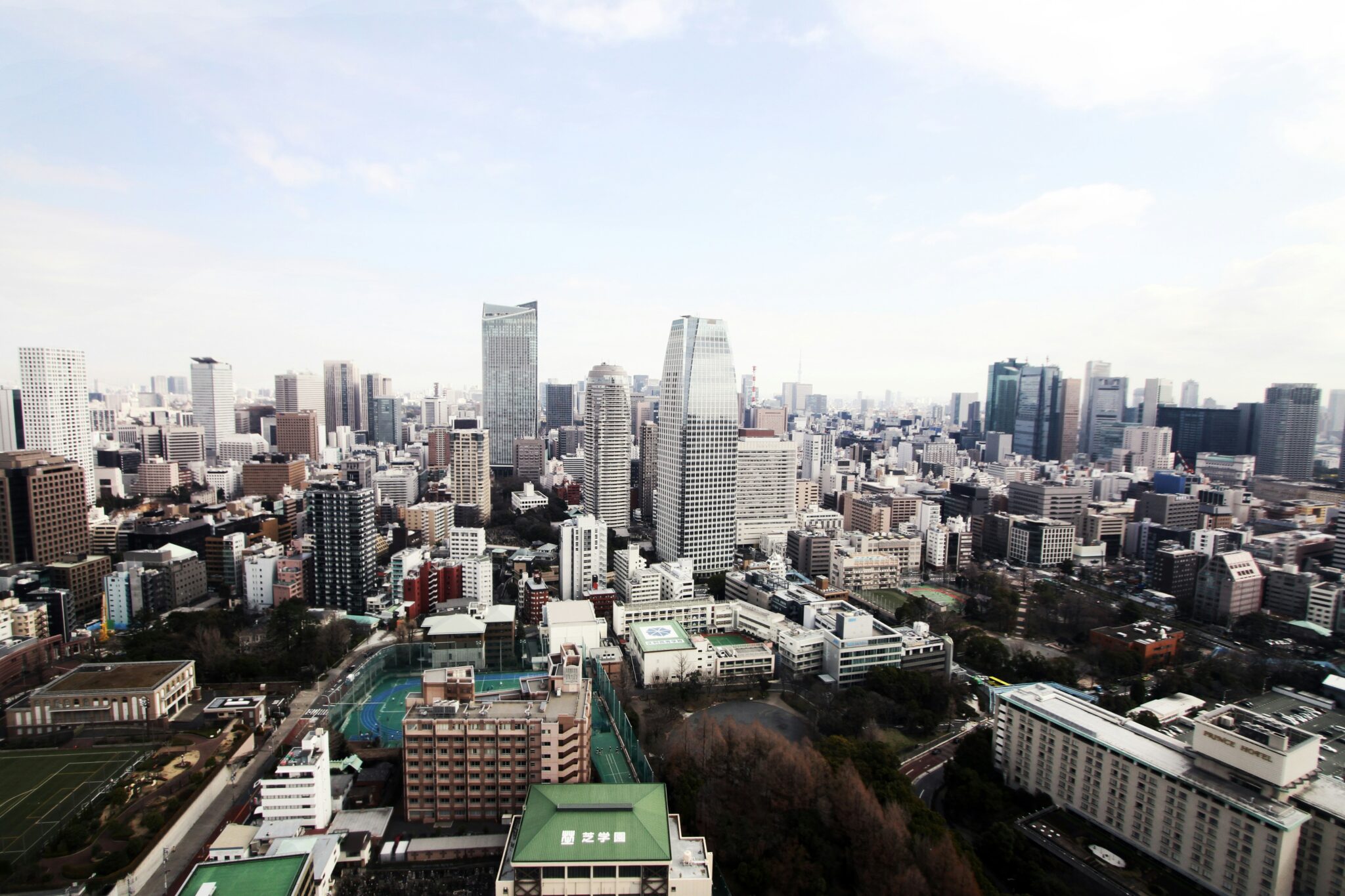
Real estate investment in Japan reached a quarterly record of 2.1 trillion yen ($14.6 billion) for January-March of 2025, with Tokyo’s $11 billion beating out global powerhouses like New York City and Dallas-Fort Worth in total real estate investment. The influx of capital is driven by a confluence of factors. The opportunity, driven by lowered interest rates and available assets, is clear. But for many investors, the challenge is accessing capital efficiently and at the right time to optimize involvement in Japan’s fast-changing market.
Alternative financing providers could play a key role, part of a shift in how investors with significant equity holdings think about accessing liquidity.
“Japan’s real estate market is experiencing several concurrent changes that distinguish it from markets in other major economies,” says Al Christy Jr., CEO of alternative financing provider Equities First Holdings. “Lowered interest rates, corporate land divestment, changing demographics, and the country’s relatively open regulatory approach toward foreign investment are converging in ways that weren’t present during previous cycles.”

Global Funds Rush Into Japan’s Property Overhaul
Foreign investors contributed nearly ¥2.2 trillion (US$14.5 billion) into Japanese real estate in 2024, a 20% year-on-year increase.
The institutional appetite has intensified as Japanese corporations systematically divest real estate holdings. Large companies such as railway operators, manufacturers, and insurers are offloading non-core properties to fund growth in areas like digital infrastructure and decarbonization, making this prime property accessible for the first time in years. Strategic real estate financing specialists have recognized the significant opportunities created by this corporate divestment trend.
Morgan Stanley recently raised ¥100 billion to fund Japanese real estate investment. Similar initiatives from Blackstone, PAG, and domestic players including Marubeni and Dai-ichi Life have created one of the most active fundraising periods in Japan’s property market’s recent history.
For those that don’t have the scale of these large institutional investors, equities-based financing has become an option. This approach enables those with equity positions to access capital financed against those holdings, while retaining exposure to long-term positions. Investment advisory platforms have noted the growing interest in these flexible financing solutions among real estate investors.
“The timing mismatch between recognizing investment opportunities and having liquid capital available has always been a constraint in real estate markets,” says Christy Jr. “This fundamental challenge becomes more pronounced when markets move quickly, as Japan’s has over the past year.”
Transitioning to Moderate Inflation
The institutional capital surge coincides with Japan’s transition from deflation to moderate inflation.
Rental growth in Tokyo has accelerated to 1.3% year-on-year by May 2025, the strongest pace in three decades. Land prices across Japan rose 2.7% in 2025, marking the fourth consecutive year of increases and the fastest pace since 2010. Commercial real estate has proven particularly resilient, with Tokyo office attendance remaining significantly higher than major U.S. cities, supporting stable valuations for high-grade assets. Global property investment solutions have become increasingly important as investors seek to capitalize on these market dynamics.
Meanwhile, demographic trends provide additional support for sustained demand. The number of foreign residents in Japan grew to 3.77 million in 2024, expanding at twice the pace government projections anticipated. Tourism recovery has been equally robust, with Tokyo hotel occupancy reaching 88% in 2024 and rates rising 26% year-over-year.
The convergence of corporate divestment, demographic growth, and tourism recovery could create a multi-year structural realignment in the market. Unlike Japan’s 1980s bubble, current price appreciation reflects the potential of supply-demand fundamentals in a transparent, well-regulated market.
Policy Framework Supports International Capital
Japan’s regulatory approach toward foreign real estate investment stands in contrast to restrictions implemented elsewhere. The country imposes no additional taxes, ownership caps, or bureaucratic barriers on non-residents, whether purchasing primary residences, investment properties, or commercial assets.
The policy divergence has accelerated capital flows from Asia-Pacific investors seeking stable jurisdictions. Chinese nationals constitute the largest foreign buyer segment, with Osaka’s Chinese population doubling over the past decade as affluent buyers increasingly view Japanese property as a geopolitical and currency hedge.
Japan’s real estate transformation extends beyond traditional residential and commercial properties. Data centers are proliferating across major metropolitan areas as AI computing demands grow, while the office market has evolved into a post-COVID recovery phase favoring centrally located, transit-connected properties over suburban assets. Alternative equity-backed financing solutions have positioned themselves to help investors access these emerging opportunities.
“Japan offers something increasingly rare: a major developed economy with transparent markets, stable institutions, and genuine structural growth drivers,” says Christy Jr. “The policy framework supports long-term real estate investment rather than creating barriers.”
→ See more great stories on our homepage.