Six Democratic veterans in Congress recently released a coordinated message to the U.S. armed forces. The video, featuring Senators Mark Kelly and Elissa Slotkin, urged service members to refuse illegal orders. President Trump responded with accusations of treason, but the lawmakers’ argument rests on military law and historical precedent.
The Uniform Code of Military Justice (UCMJ) governs the armed forces. Articles 90, 91, and 92 mandate obedience to superiors, but the text explicitly specifies “lawful” commands. This word is the legal basis for the Democrats’ argument. It ensures the American military cannot legally act as a personal enforcement arm outside the Constitution.
History supports this interpretation. The 1973 case United States v. Calley established that “superior orders” is not a valid defense for criminal acts. The Supreme Court ruled similarly in 1804 (Little v. Barreme), stating that a Presidential order does not override federal statute.

The Oath of Enlistment further clarifies this duty. U.S. troops do not swear fealty to a monarch or a specific leader. They swear to support and defend the Constitution. If a leader issues an order that violates the Constitution, the oath demands loyalty to the document over the person.
A New Escalation: The Investigation of Senator Kelly
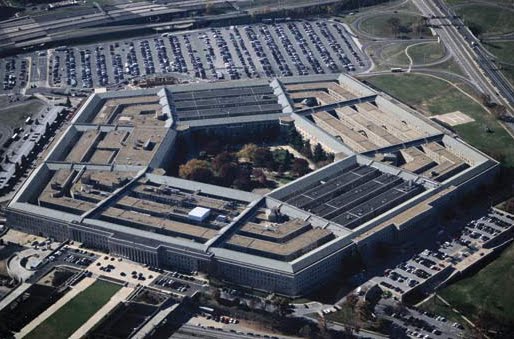
The conflict intensified in late November 2025. Secretary of Defense Pete Hegseth announced a formal investigation into Senator Mark Kelly. Kelly is a retired Navy Captain, meaning he technically remains subject to the UCMJ.
The Pentagon suggests Kelly’s participation in the video may constitute “conduct that brings discredit upon the armed forces.” This move threatens a sitting U.S. Senator with potential recall to active duty and court-martial for political speech. It demonstrates the extreme pressure the military establishment can exert on those who challenge the chain of command.
The Noble Burden and the Severe Risk
This legal framework forces the individual soldier to make a profound moral judgment. Refusing an unlawful order is a defense of American values. It prioritizes the rule of law over the demands of a powerful superior.
Soldiers must understand the danger of this choice. The military justice system is designed to enforce discipline. The investigation into Senator Kelly proves that the hierarchy often views challenges to authority as threats to “good order,” regardless of the moral justification. A soldier who refuses an order stands on the moral high ground. They also stand on a precipice. If a military court decides the order was technically “lawful,” the soldier faces court-martial, dishonorable discharge, and imprisonment.
The choice to disobey requires moral clarity. It also requires the courage to face life-altering consequences.
Disclaimer: This article provides a general overview of historical and legal concepts and does not constitute legal advice. Military law is complex, fact-specific, and currently evolving rapidly. Service members facing these issues should immediately consult with a qualified military law attorney or Judge Advocate General (JAG) before taking any action.