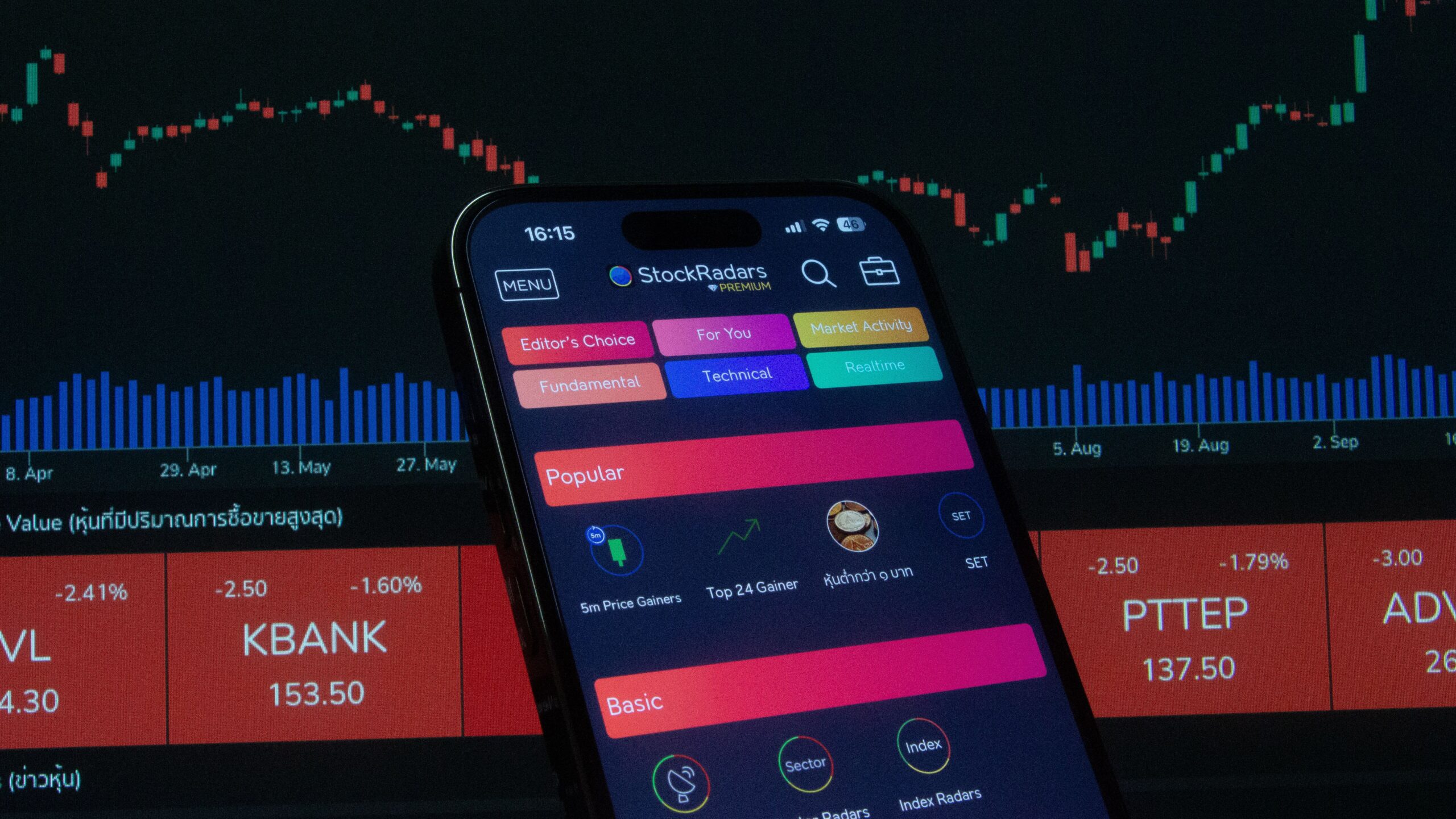
Launching a brokerage is no longer just about obtaining licenses or attracting clients. Today, technology has become the foundation that determines how efficiently a business operates, how well it scales, and how competitive it remains in a rapidly evolving financial market. Choosing the right trading platform for brokers is one of the most important strategic decisions, influencing everything from daily operations to long-term business growth.
A modern brokerage platform is far more than an interface where traders place orders. It connects liquidity providers, risk management tools, CRM systems, reporting modules, payment gateways, and mobile applications into a single ecosystem. The quality of this infrastructure directly impacts execution speed, operational efficiency, and the overall client experience.
One of the first factors brokers evaluate is reliability. Financial markets operate around the clock, and even short periods of downtime can result in lost trading opportunities and dissatisfied clients. A platform must provide stable performance under varying market conditions while maintaining low latency during periods of high trading activity. Infrastructure resilience has become just as important as feature availability.

Scalability is another critical consideration. Many brokerages begin with a relatively small client base but plan for significant growth over time. Technology should support this expansion without requiring costly migrations or major architectural changes. Cloud-based deployment, flexible server architecture, and modular design enable firms to increase capacity as trading volumes grow.
Integration capabilities have also become a deciding factor. Brokers rarely rely on a single software solution. Instead, they combine multiple services, including payment providers, KYC systems, liquidity aggregation, analytics, and customer support platforms. Open APIs and standardized integration options reduce implementation time and allow businesses to adapt more quickly to changing market demands.
The growing popularity of mobile trading has shifted priorities as well. Today’s traders expect seamless access to financial markets from smartphones and tablets without sacrificing functionality. Responsive mobile interfaces, synchronized account management, and real-time notifications have evolved from optional features into essential components of a competitive brokerage offering.
Security remains one of the industry’s highest priorities. Brokerage platforms process sensitive financial and personal information, making them attractive targets for cybercriminals. Multi-factor authentication, encrypted communications, secure data storage, and continuous monitoring help protect both client assets and business operations. Regulatory expectations surrounding cybersecurity continue to increase across global financial markets, making robust protection indispensable.
Customization has become another important differentiator. Different brokerages target different audiences, asset classes, and business models. Some focus on retail traders, while others serve institutional clients or proprietary trading firms. Flexible technology allows businesses to configure trading conditions, user interfaces, reporting tools, and branding without extensive software redevelopment.
Automation is increasingly shaping brokerage operations behind the scenes. Risk monitoring, client onboarding, compliance checks, reporting, and administrative workflows can now be handled automatically, reducing operational costs while minimizing human error. These efficiencies allow companies to dedicate more resources to product development and customer service rather than repetitive manual processes.
Another factor influencing technology decisions is access to market data and execution quality. Fast pricing updates, reliable order routing, and deep liquidity connections contribute to a better trading environment for end users. As financial markets become more interconnected, brokers increasingly value platforms capable of supporting multiple asset classes while maintaining consistent execution performance across different market conditions.
Technology selection is ultimately a long-term business investment rather than a short-term purchasing decision. Brokers must consider not only today’s operational requirements but also future regulatory changes, evolving client expectations, and emerging technologies such as AI-driven analytics and advanced automation. Companies that build their infrastructure with flexibility and scalability in mind are better positioned to adapt as financial markets continue to evolve, ensuring that technology remains a competitive advantage instead of becoming a limiting factor.
→ This is just the start — read more on USDailyReview.com.