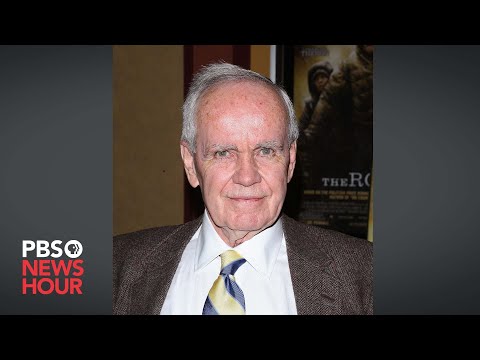
Today, the world mourns the loss of a literary giant, Cormac McCarthy, whose profound impact on literature and the arts will forever be etched in our hearts and minds. McCarthy, an acclaimed American novelist, screenwriter, and playwright, passed away at the age of 89, leaving behind a rich literary legacy that will continue to inspire and captivate generations to come.
From his earliest days, McCarthy displayed a love for literature and a thirst for knowledge that shaped his path as a storyteller. After studying at the University of Tennessee, he embarked on a writing journey that would solidify his status as a true literary visionary. McCarthy’s unique narrative style and his unflinching exploration of the darkest corners of the human condition set him apart from his contemporaries. With sparse prose and poetic intensity, he created vivid landscapes and unforgettable characters that lingered in the minds of readers long after the last page was turned.
Among his most celebrated works, “No Country for Old Men” stands as a testament to McCarthy’s genius. Published in 2005, this modern Western thriller captivated audiences with its gripping tale of a hunter pursued by a remorseless killer. McCarthy’s ability to convey tension and moral ambiguity in every sentence showcased his unmatched storytelling prowess, earning him widespread critical acclaim and a dedicated following.

In 2006, McCarthy further solidified his literary legacy with “The Road,” a post-apocalyptic novel that delved into themes of love, hope, and the resilience of the human spirit. This haunting portrayal of a father and son’s journey through a desolate world earned McCarthy the Pulitzer Prize for Fiction and touched the hearts of readers across the globe.
McCarthy’s literary brilliance extended beyond the written word, as his novels found new life on the silver screen. The Coen Brothers’ adaptation of “No Country for Old Men” (2007) not only captured the essence of McCarthy’s work but also garnered widespread acclaim, including four Academy Awards, including Best Picture. Other adaptations, such as “The Road” (2009) and “Child of God” (2013), though not as commercially successful, brought McCarthy’s stories to life and showcased the depth and power of his narratives.
Beyond his creative achievements, McCarthy was known for his enigmatic persona. Preferring a reclusive life away from the public eye, he allowed his words to speak volumes, refusing to overshadow his work with personal fanfare. McCarthy’s dedication to his craft and unwavering commitment to the written word served as a testament to his deep reverence for the power of storytelling.
As we bid farewell to Cormac McCarthy, we celebrate his remarkable legacy, one that will endure as a beacon of literary excellence. His works challenged and provoked readers, forcing them to confront the darkest aspects of humanity. Through his writing, he explored the depths of despair, hope, and the complexities of human nature, leaving an indelible mark on the literary landscape.
Cormac McCarthy’s passing leaves a void in the world of literature that will be impossible to fill. However, his words will continue to resonate, offering solace, contemplation, and inspiration to all who venture into the realms he created. McCarthy’s stories will continue to be cherished, passed down from one generation to the next, reminding us of the power of language, the beauty of storytelling, and the enduring legacy of a literary titan.
Rest in peace, Cormac McCarthy. Your words will forever echo in our hearts.
For more great stories click here.