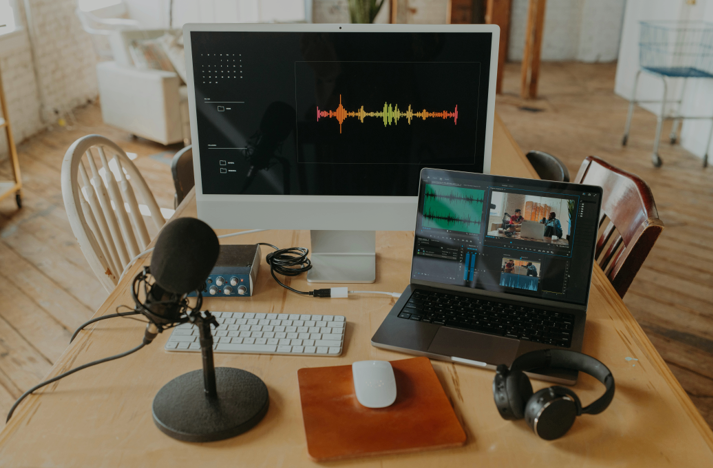
What happens to a show built entirely on voice when the audience starts expecting a picture to go with it? That question landed differently once video became less of an experiment and more of a baseline expectation across the podcasting landscape. Greg Soros, who built a show around audio long before video was part of the conversation, has spent real time working through what a shift like that actually requires. “The instinct is to think video is just audio with a camera pointed at it,” Greg Soros says. “It isn’t. It changes what you’re actually making.”
Why the Move to Video Wasn’t Optional for Long
For a while, video felt like an add-on: a nice-to-have for hosts with the budget and the patience for it. That window closed faster than most people in the industry expected. Discovery increasingly runs through platforms built around watching, not just listening, and a show absent from those feeds becomes harder to find no matter how strong the audio is on its own.
Greg Soros didn’t experience this as a single decision so much as a slow accumulation of evidence. Episodes that used to travel well through audio-only channels started reaching fewer new listeners. “You can hold out for a while on principle,” he says, “but eventually the numbers make the decision for you whether you’ve made it yourself or not.”

What Changes on Camera and What Doesn’t
Adding a camera changes more than the obvious things. Pacing shifts. Pauses that sound natural in audio can read as dead air on screen. A host has to think about a second channel of communication entirely, one built on expression and timing rather than tone of voice alone. Much of that adjustment is learned by trial rather than taught in advance.
Greg Soros treats this less as a performance problem and more as a translation problem. “The content doesn’t need to change,” he points out. “What changes is how much of yourself you have to bring to the surface instead of leaving it in your voice.” Getting that translation wrong is usually what makes early video episodes feel stiff, even when the audio version of the same conversation would have sounded completely natural.
Protecting the Show’s Voice Through the Transition
The risk in any format shift is losing whatever made a show distinct in the first place. Greg Soros has been deliberate about treating video as a new delivery mechanism for an existing identity, not a reason to build a new one from scratch. The questions asked, the pacing of a conversation, the willingness to sit in a genuine moment rather than cut away from it: those elements travel across formats even when the technical requirements around them are rewritten completely.
Getting the format right matters less, in the end, than getting the identity right first. Video can amplify a show that already knows what it is. It rarely fixes one that doesn’t. The harder question, then, isn’t whether to add a camera. It’s whether the show would still be worth watching if the audio alone had to carry it.
→ Stay ahead — browse more articles on USDailyReview.com.