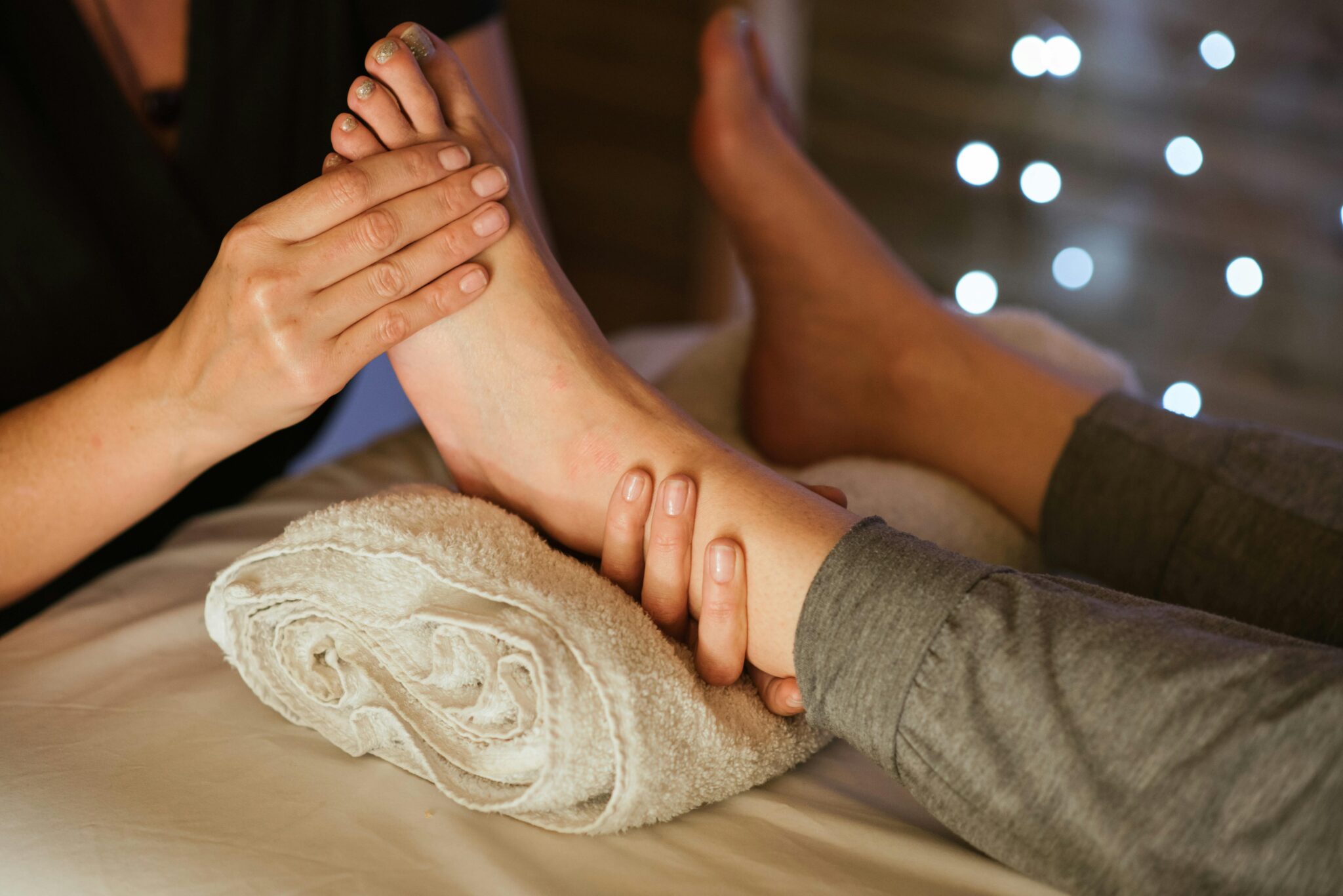
The Role of Therapeutic Touch in Modern Wellness
You finish a long day hunched over a desk, or maybe you’ve pushed through a punishing gym session, and that dull ache in your shoulders won’t quit. Mental fog drapes over your focus. Your body feels like it’s holding on by threads. Hands-on therapy bypasses gimmicks and works directly with the tension living deep in the tissue. Skilled bodywork isn’t indulgence; it’s structural maintenance. In a world filled with quick fixes, systematic touch still stands as one of the most reliable ways to keep the physical and emotional gears turning smoothly. It’s a measured intervention that speaks the language of muscle, fascia, and nervous system. The result: resilience that lasts past the session.
What Massage Therapy Offers for Physical Resilience
A strong musculoskeletal system responds better to stress, heals faster, and stays mobile longer. The right therapist isn’t simply kneading your skin; they’re targeting complex physiological triggers backed by research. Benefits stack up quickly when done with precision:

- Improved circulation, increasing nutrient delivery and waste removal
- Faster muscle recovery after intensive exertion, noted in studies published in the Journal of Athletic Training
- Reduction in cortisol, helping manage chronic stress and related inflammation
- Enhanced joint flexibility, keeping movement fluid and pain-free
- Decreased perception of pain through stimulation of sensory pathways
Massage isn’t mystical. It’s applied pressure with predictable, documented outcomes for the body’s performance and endurance.
Selecting a Style that Matches Your Goals
Not every technique suits every body or objective. Swedish builds a broad sense of relaxation through rhythmic, flowing pressure. Deep tissue digs into stubborn knots buried beneath superficial layers. Sports massage primes muscles for performance or speeds post-event recovery. Hot stone focuses on tension release through sustained warmth. Trigger-point therapy zeroes in on isolated spots that radiate discomfort into surrounding areas. These modalities vary in intensity and intent, which is why guessing your way into a booking wastes everyone’s time. Align the style with your biggest need, whether that’s loosening tight hamstrings or calming an overfired nervous system.
Anticipating Your First Massage Session
Your therapist starts with an intake to gather health history, highlight areas of focus, and capture preferences for touch. They’ll adjust the room itself to encourage relaxation: dim lighting, quiet music, steady warmth. Communication doesn’t stop at hello; it threads through every move, ensuring you’re neither enduring discomfort nor losing therapeutic depth. Wear clothing that makes transitioning to the table straightforward. Speak up about the pressure early and often. Silence doesn’t signal toughness; it just delays progress.
Simple Self-Care Routines to Extend Benefits
Don’t expect a single session to carry you indefinitely. Keep tissues pliable and circulation steady at home. A short foam-rolling sequence resets tight muscles and sparks recovery. Targeted stretching flows maintain joint range and reduce stiffness. Controlled breath-work cues shift your body into parasympathetic mode for deeper rest. Stick to consistent micro-practices—five minutes daily beats sporadic marathons. Tools can be minimal: a tennis ball, a strap, a mat. Small, repeatable actions build longevity into the relief you’ve worked for.
Choosing a Skilled Therapist in Lansing
Quality starts with credentials. Look for Michigan state licensure, membership in reputable professional associations, and evidence of continued learning. The wrong hands can aggravate issues; the right ones accelerate your progress. Scrutinize reviews that speak to technique and outcomes, not just friendliness. Ask pointed questions about specialized training in orthopedic or sports modalities. Your investment deserves a practitioner who understands both the science and the art of muscle work, someone able to adapt under pressure without losing therapeutic precision.
Scheduling Insight: Turning Sessions into Habits
One-off appointments feel good, but they rarely deliver lasting change. Recurring sessions lock in progress before tension rebuilds. Integrate massage into your monthly calendar like any core responsibility. Use workplace wellness credits or negotiate package deals to keep costs sustainable. Digital booking tools and automated reminders remove the mental load of remembering. Over time, the compound gains in mobility, stress reduction, and recovery will outpace anything you’d get from treating it as an occasional luxury.
Elevate Your Daily Routine with Professional Massage
Consistent bodywork doesn’t float on the edges of wellness—it anchors it. Pairing it with strength training sharpens movement efficiency. Integrating it into posture-focused habits keeps the spine aligned and musculature balanced. Mental clarity often follows physical release as the nervous system recalibrates. Reliable results come from regular engagement with massage therapy Lansing. Start with a targeted session plan and track how your body responds over weeks, not just hours. If vitality and performance matter, book the work before the wear sets in.
→ Explore more insights at USDailyReview.com.