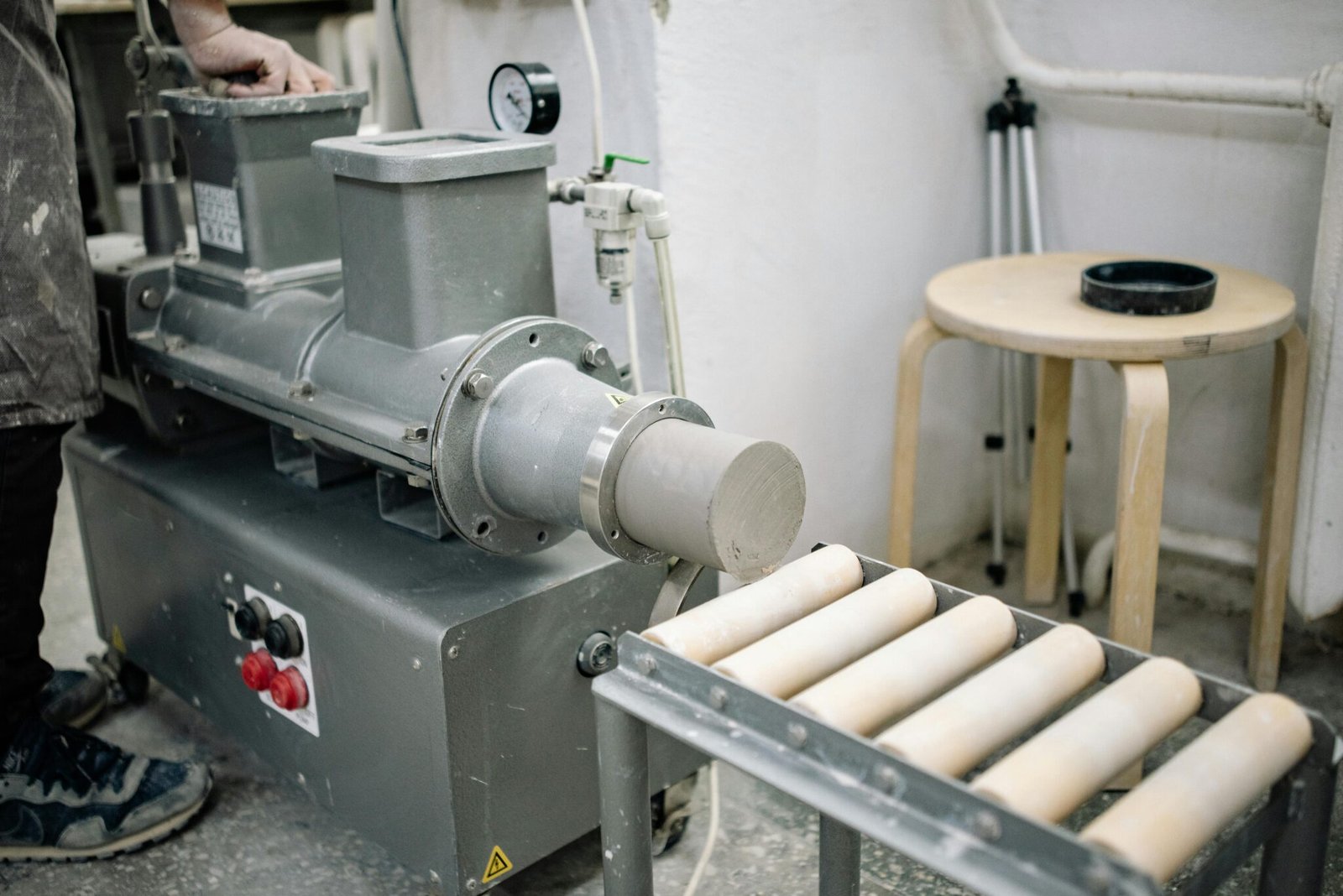
Contemporary industry is driven by the ability to turn raw materials into final products with great precision is the true driving force behind technological progress. One of the cornerstones of this evolution is the technology of plastic and metal forming, a field in which innovation meets increasingly competitive markets.
At the heart of this scenario lies a key player that enables the creation of common objects and complex components with impressive speed and consistent quality. Understanding how a modern extrusion machine shapes different materials through the combined use of pressure and heat allows us to take a different look at the world around us, from pipes to the ultra-lightweight profiles used in space industry. This technology does not only replicate standard shapes, but opens up new design possibilities, enabling companies to reduce waste and optimize processing times on global assembly lines.
The production process’ core and its technical operation
The concept behind this system is apparently simple, yet it requires sophisticated engineering to be carried out on an industrial scale without structural faults. The process begins with feeding the material into a heated cylinder where a screw or hydraulic piston exerts enormous force. This constant pressure forces the material, made ductile by high temperatures, to pass through a shaped die that continuously determines its final form.

The distinctive feature of this manufacturing process lies in its versatility, as varying the die design allows for the production of cross-sections of every type, while maintaining an excellent finish that often requires no further processing. Furthermore, thanks to digital sensors and computerized controls, modern systems monitor every variable in real time, ensuring that every product strictly meets the parameters set by the designers.
Material versatility and applications in key sectors
What makes this technology so widespread is its ability to adapt to a wide range of raw materials, from polymers to aluminum, all the way to the strongest metal alloys. In the construction sector, for example, the use of extruded profiles has revolutionized building thermal insulation through complex window and door systems that integrate multiple functions. Similarly, the car industry benefits from this technique to produce lightweight yet solid structural components, ensuring passenger safety without increasing fuel consumption.
In addition, the food industry also makes use of similar systems for the production of pasta and snacks, demonstrating how pressure forming is a universal principle capable of meeting different human needs. This versatility makes investing in new equipment a strategic choice for companies seeking to diversify their product offerings and keep pace with a constantly changing world.
Sustainability and energy efficiency in industry 4.0
Looking ahead, the main challenge for manufacturers lies in reducing their environmental impact and optimizing energy consumption. New generations of systems are designed to minimize heat loss and reuse manufacturing waste directly within the production cycle, promoting a circular economy model.
Efficiency is now measured by the ability to use less energy to achieve the same result, by integrating recovery systems that power other parts of the factory. Advanced automation and artificial intelligence also allow mechanical failures to be predicted before they occur, avoiding expensive downtime and reducing invasive maintenance. Forced forming technology thus continues to represent the backbone of modern manufacturing, evolving to offer cleaner and more accurate solutions that improve quality of life through safer and more sustainable products.
→ Stay informed — check out our top stories.