Spectator sports has been around for centuries, from football and cricket – invented in the private schools of Victorian Britain – to American football, baseball, basketball, and motorsports. Throughout history, humanity has displayed a fascination for spectator sports, with franchises today drawing hundreds of thousands of on-site viewers.
The 2010 NBA All-Star Game was held in front of a 108,000-strong crowd at the Cowboys Stadium. Wimbledon had about 500,000 in-stadium spectators over a 13-day period in 2019. The 2019 British Grand Prix at Silverstone saw 351,000 fans in the racing grounds. The 2018 World Cup counted upwards of 3 million people attending the games live in stadiums. The 1996 Atlanta Olympics (often called Centennial Olympics) sold 8.3 million tickets.

But rarely – if ever at all – has spectator sports been so lonely as it is today.
In March of 2020, hundreds of thousands of motorsports fans were left high and dry at the gates of the Albert Park Circuit in Melbourne. The COVID-19 virus was already starting to alarm governments, but the event was such a huge, complicated thing, that the cancellation wasn’t announced till the very last minute. This year’s race has been cancelled as well. While the sport was able to pick up its operations again this year, the first races were held without any fans on the track. And, although it welcomed fans at full capacity at Silverstone in July, to the roaring delight of the fans, many other tracks/countries are not yet operating at the same level.
This full-capacity crowd was part of Britain’s experiment to look at the safe return of spectators. Included in this experiment was Wimbledon and the last four Euro 2020 matches held at Wembley.
The NBA had its own setbacks and for a time, teams played to the cheers of virtual fans who watched the livestreamed games and whose reactions were also displayed inside the arenas. By the time the 2020-2021 Playoffs came around, many teams were allowing fans in their stadiums.
The effort that has gone into bringing back fans in person to spectate – which is what it’s all about! – goes to show just how much we need sports. Of course, there is the economics to consider, but above all that stands the human enthusiasm for sports.
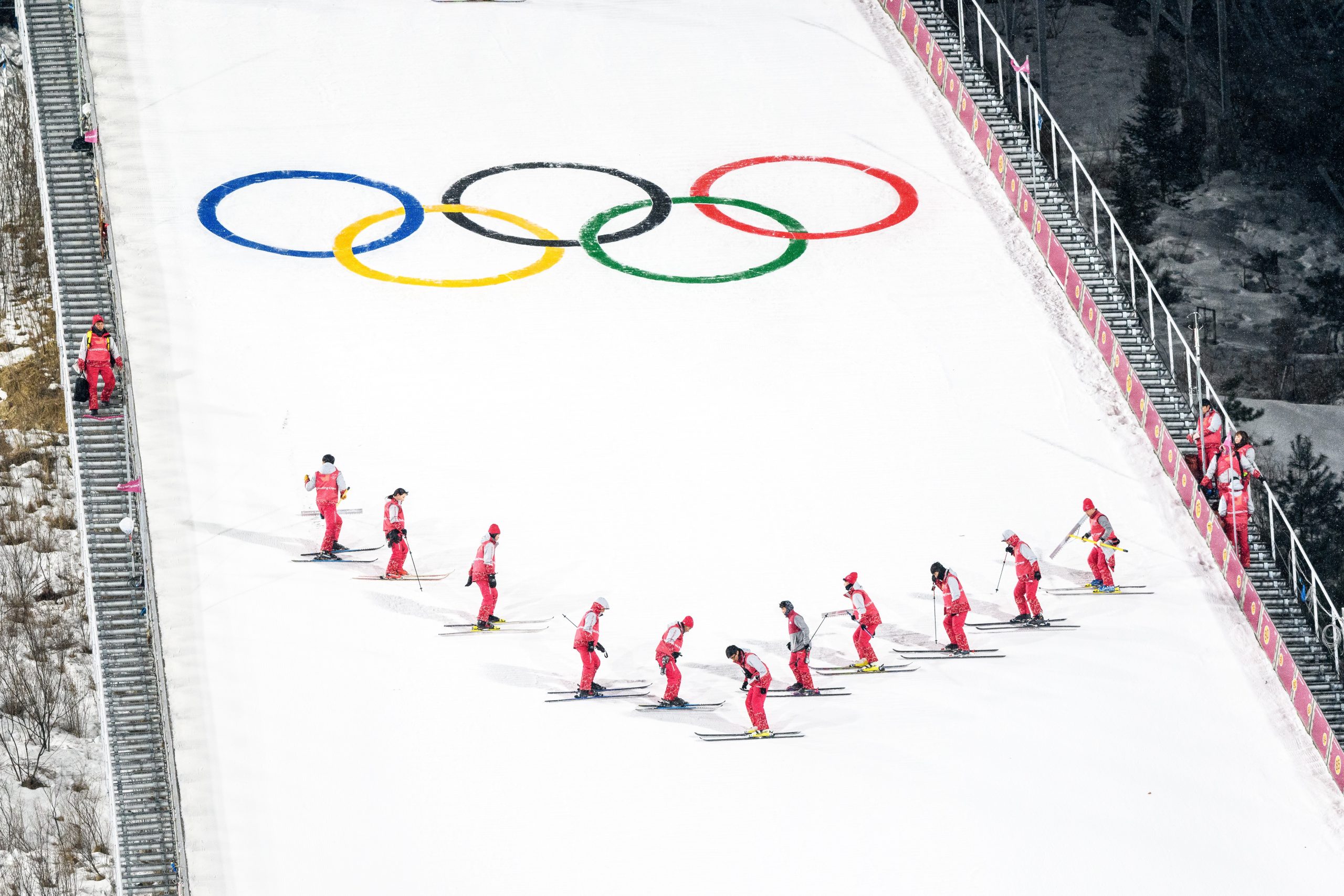
The 2020 Olympics, still retaining the date despite a year’s delay, trumps all of the above. It is THE spectator sports event of all time, and perhaps due to its immensity, it has struggled more than any other during this pandemic.
With 206 countries and more than 11,000 athletes taking part, the logistics are a nightmare under the best circumstances. In the middle of a pandemic, carrying off such an event is a superhuman. But that’s exactly what Japan, the IOC, and countless volunteers did – carry it off.
Sure, they had to make a few concessions, such as banning spectators from watching the games in person. Not only does this take away from the experience, but it also bites off a huge chunk off of the finances of the host country.
To be fair to the Japanese people, who are experiencing lockdown fatigue, the idea of holding an international event under yet another state of emergency can indeed be disheartening. This is one of the reasons that they have been vocal in their dissent. The “Cancel the Tokyo Olympics to protect our lives” campaign quickly received traction (though in essence was ineffective). Even with the Olympics is full swing, the Prime Minister’s cabinet’s ratings dropped to 34 percent – 9 percentage points from June. Respondents of the survey point out stated “lack of leadership” and vaccinations “not going smoothly” as major reasons for their disapproval.
However, it is a good time to point out that the world owes Japan one for the 2020 Olympics. For, in spite of their struggles as a nation, they have put a lot of time and resources into making sure the Summer Games pushed through. You have to admit – watching athletes perform their best and make their countries proud is exactly the sort of morale boost that the world needs right now. The joy athletes express when their peers win or break records is indescribable. It brings something good out in everyone. And this is something even the most disgruntled cannot ignore.
The government has shouldered this responsibility the best it can, being on the receiving end of seemingly endless criticism from its constituents; bearing the bearing the brunt of what is surely a heavy financial toll.
In the spirit of the Olympics, some appreciation from the citizens would be in order. It would do everyone good to look at the positive things such as the rate of vaccination increasing drastically.
The Olympics’ contribution to keeping the world’s morale up is priceless. The Japanese people ought to be bursting with pride for being responsible for this!
What’s next for spectator sports?
The Olympics ends this week, and yet the rest of the sporting world continues on. Athletes will start preparing for the next Olympics. Other spectator sports will try to cope with the situation. Governments and sporting organizations are putting COVID-specific regulations in place to ensure the continuity of the events and the safety of spectators.
A survey conducted by IBM revealed that 45 percent of enthusiasts missed watching lives sports, 43 percent missed being at the events in person, and almost 45 percent believed that even with technology, it is difficult to replicate the experience. UK Sport found out that 97 percent of enthusiasts would view games in person after the pandemic.
Given that we’ve always had a voracious appetite for live sporting events, it is likely that we are going to see a resurgence in this area after the pandemic. And, we just can’t wait for it.